Behind the Interface: Examining User Pathways Through Registration, Recovery, and Site Navigation in Betting Services
Zoe Schwarz · Sep 25, 2026
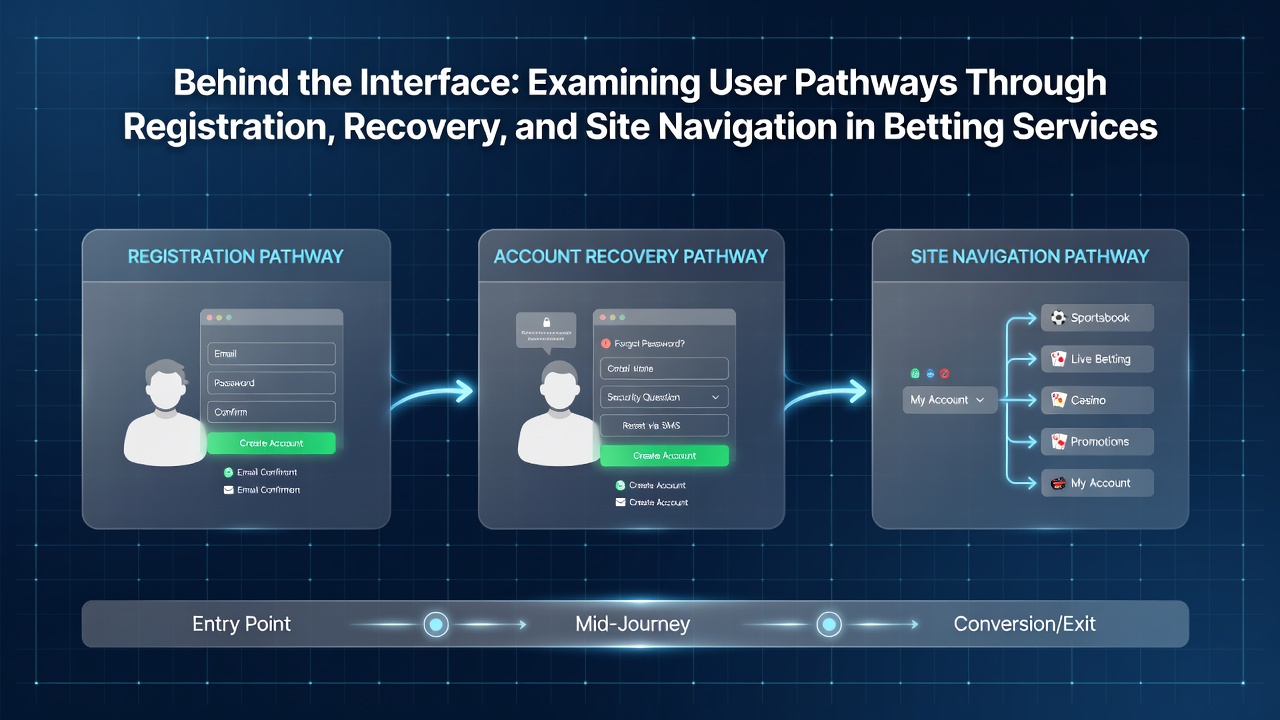
Behind the Interface: Examining User Pathways Through Registration, Recovery, and Site Navigation in Betting Services
Registration pathways in betting services typically begin with users entering basic details such as email addresses, usernames, and passwords, followed by verification steps that include age confirmation and address checks to meet legal standards across jurisdictions.
Data from industry reports shows operators collect this information through structured forms that integrate identity verification tools, and those tools connect to third-party databases for real-time validation while users progress through the sequence.
Registration Processes Across Platforms
Operators design registration sequences to balance speed with compliance requirements, and users encounter fields for personal information alongside options for linking payment methods early in the process. Studies indicate many platforms now incorporate biometric options during initial setup, whereas others rely on traditional document uploads for identity proofing.
Those who've examined multiple services note variations in step counts, with some completing the entire flow in under five minutes while others extend verification over several days when manual reviews become necessary. Research from the American Gaming Association highlights how streamlined registration correlates with higher completion rates in regulated markets.
Account Recovery Mechanisms
Recovery procedures activate when users forget credentials or face access issues, and these pathways usually start with email or SMS verification codes sent to registered contact points. Platforms then guide individuals through password resets or multi-factor authentication adjustments, and data indicates two-factor methods reduce unauthorized attempts significantly.
According to analyses by Gambling Research Australia, recovery success depends on accurate contact information stored at registration, while users who update details regularly encounter fewer obstacles during these sequences. Observers note that September 2026 brought increased emphasis on automated recovery tools in several international markets as operators responded to rising user volumes.
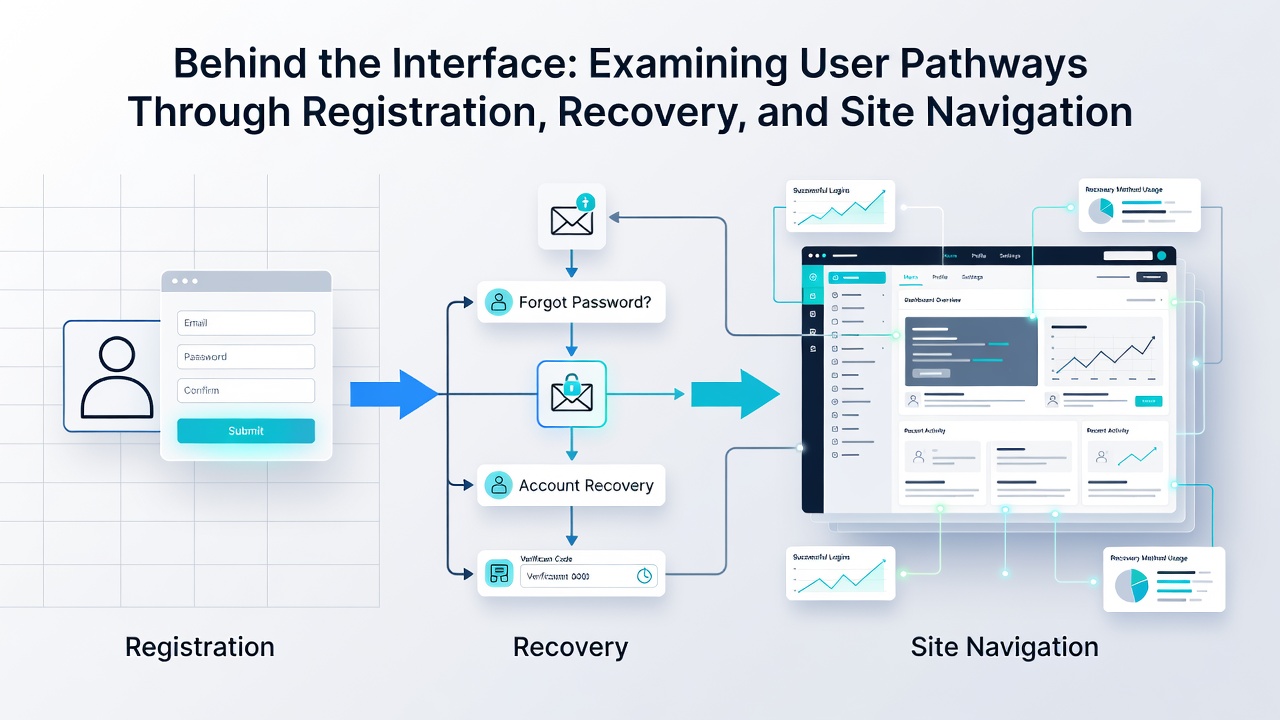
Site Navigation and User Journeys
Navigation structures in betting services organize content through menus that separate sports markets, account settings, and support sections, and users move between these areas via persistent headers or side panels that remain visible across pages. Effective designs allow quick transitions from registration confirmation to deposit interfaces and then to event listings without excessive clicks.
Industry organizations report that clear labeling and search functions improve retention, whereas cluttered layouts lead to higher exit rates during early sessions. Those studying user behavior find that mobile-optimized navigation pathways differ from desktop versions, with swipe gestures replacing traditional button clicks in many applications.
Regulatory Influences on User Pathways
Government agencies in various regions enforce standards that shape how registration and recovery flows operate, and these rules require operators to implement age gates plus data protection measures before accounts become active. The Canadian Gaming Association has documented how such requirements influence interface choices across provincial platforms.
Users benefit from consistent prompts that explain each step, and evidence suggests transparent navigation reduces support ticket volumes over time. External links to resources like the American Gaming Association provide further details on compliance trends, while reports from Gambling Research Australia outline navigation best practices observed in licensed environments.
Conclusion
Registration, recovery, and navigation elements form interconnected pathways that determine how smoothly individuals interact with betting services from first access onward. Operators continue refining these flows in response to regulatory updates and usage patterns, and the result is a landscape where verification integrates more seamlessly with daily navigation tasks. Data continues to show measurable impacts on user completion rates when these components align effectively across devices and regions.