Platform Architecture for Bettors: Integrating Homepage Navigation, Resource Libraries, Support Channels, and User Account Management
Drew Becker · Nov 6, 2026
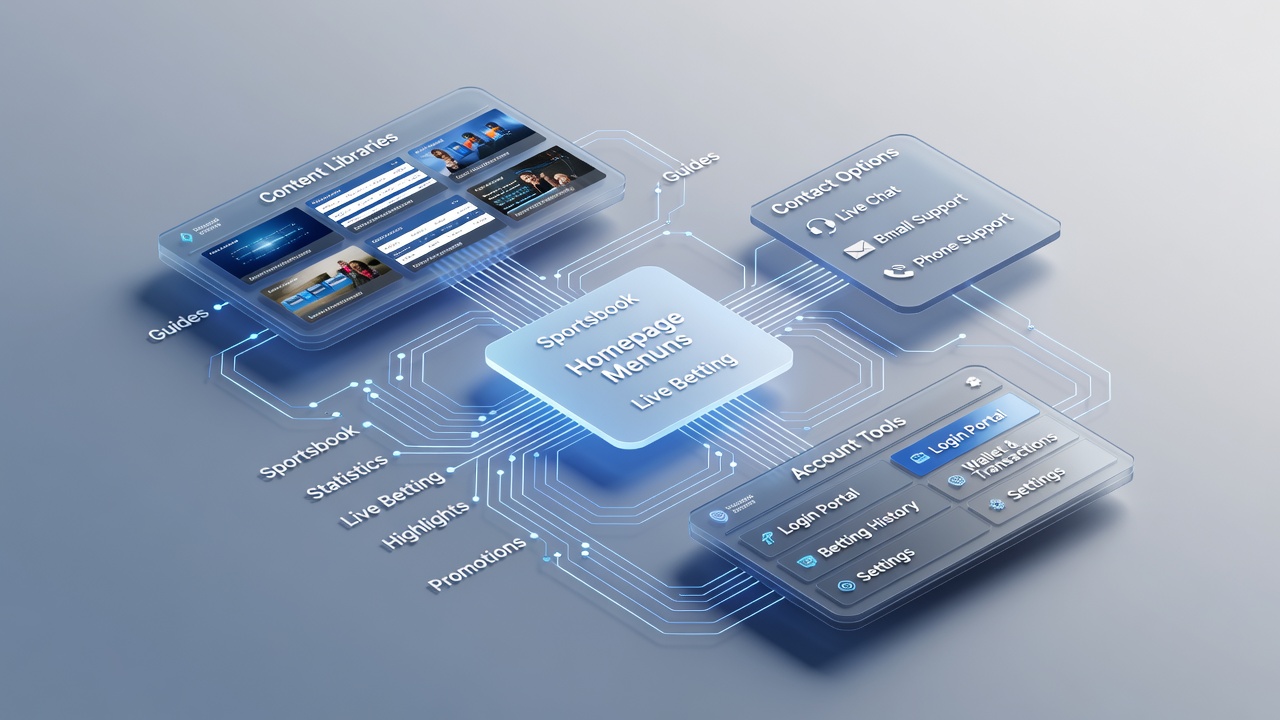
Platform Architecture for Bettors: Integrating Homepage Navigation, Resource Libraries, Support Channels, and User Account Management
Betting platforms organize their digital spaces through interconnected components that guide users from initial entry points to deeper resources and personalized features, and this structure relies on clear pathways between homepage menus, content libraries, contact options, and account tools. Observers note that homepage menus serve as primary gateways where categories such as sports markets, live events, and promotions appear in horizontal or dropdown formats, allowing seamless transitions to specialized sections without requiring multiple reloads.
Homepage Menus as Central Connectors
Designers arrange homepage menus to prioritize visibility for high-traffic areas, and these menus often feature tabs labeled Home, Markets, Live, and Promotions that expand into sub-options while maintaining consistent branding across pages. Data from industry reports indicates that effective menu structures reduce navigation time by linking directly to content libraries where bettors access statistical breakdowns, historical results, and strategy guides stored in searchable databases. Researchers at academic institutions have documented how such menus incorporate responsive elements that adapt to mobile screens, ensuring that desktop and app users encounter identical category hierarchies even as screen sizes change.
Content Libraries and Their Integration Points
Content libraries function as repositories that store articles, video tutorials, and market analyses, and platforms connect these libraries to homepage menus through embedded links that appear in both featured carousels and sidebar widgets. Studies from European research centers reveal that users who navigate from menus into libraries spend longer sessions exploring data visualizations and odds comparisons, because the architecture places related topics in adjacent panels that load dynamically. What's interesting is how libraries often include tagging systems that allow cross-references to account tools, so registered bettors can save specific resources to personal dashboards without leaving the current view.
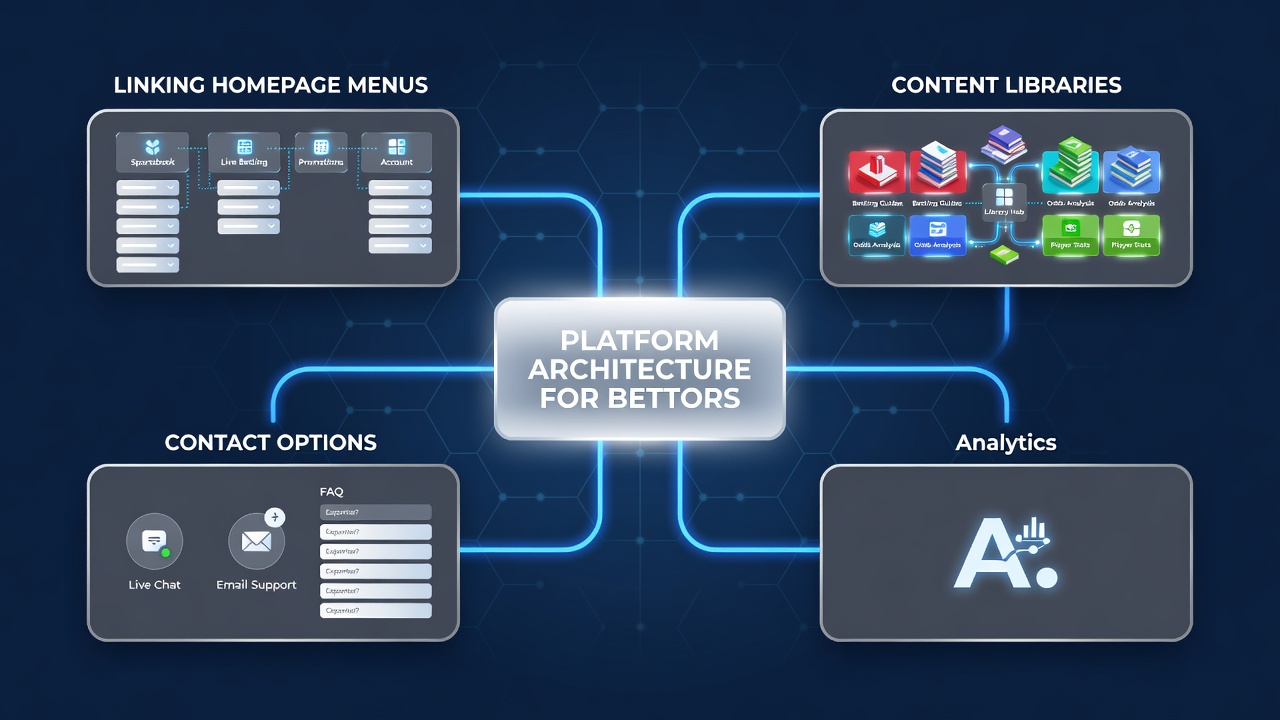
Integration continues through footer or header links that route library content toward contact options when users encounter questions about particular materials, and this flow supports immediate escalation to live chat or ticket systems without disrupting the overall session.
Contact Options Within the Broader Structure
Contact options embed themselves at multiple levels of the platform architecture, appearing as floating buttons on content pages and within account dashboards so bettors can reach support teams while reviewing library materials or adjusting profile settings. Figures from the European Gaming and Betting Association show that platforms maintaining unified contact portals across menus and libraries achieve higher resolution rates for user queries, since agents receive contextual information automatically pulled from the user's current location in the site. Those who've examined these systems observe that email forms, FAQ sections, and direct messaging tools remain synchronized with account verification processes, allowing quick authentication before conversations begin.
Account Tools and Their Linkages to Other Elements
Account tools encompass deposit interfaces, withdrawal histories, betting histories, and preference settings, and the architecture positions these tools behind secure login walls that homepage menus reference through prominent buttons or profile icons. Platforms coordinate account tools with content libraries by enabling one-click exports of saved articles or performance reports, while contact options receive pre-filled forms that include account IDs to speed up support interactions. Reports compiled by the New Jersey Division of Gaming Enforcement highlight ongoing adaptations in these linkages, with several operators preparing interface updates ahead of regulatory reviews scheduled for November 2026 that emphasize enhanced data portability between tools and libraries.
Users encounter account tools integrated into navigation flows that start at the homepage menu, move through library searches, and resolve via contact channels when needed, creating a closed loop that keeps activity contained within the same domain. Industry organizations note that this connectivity relies on backend APIs that update in real time, ensuring that changes made in account settings reflect immediately across menu displays and library recommendations.
Conclusion
The overall platform architecture succeeds when each component reinforces the others through deliberate linking, and observers continue to track how these connections evolve with new device formats and regulatory expectations. Data shows consistent patterns where unified navigation reduces friction for bettors moving between menus, libraries, contacts, and account features, and future refinements will likely focus on even tighter synchronization across these elements.