Site Structure Insights: Integrating Navigation, User Onboarding, and Resource Pages for Betting Enthusiasts
Bianca Franke · Oct 9, 2026
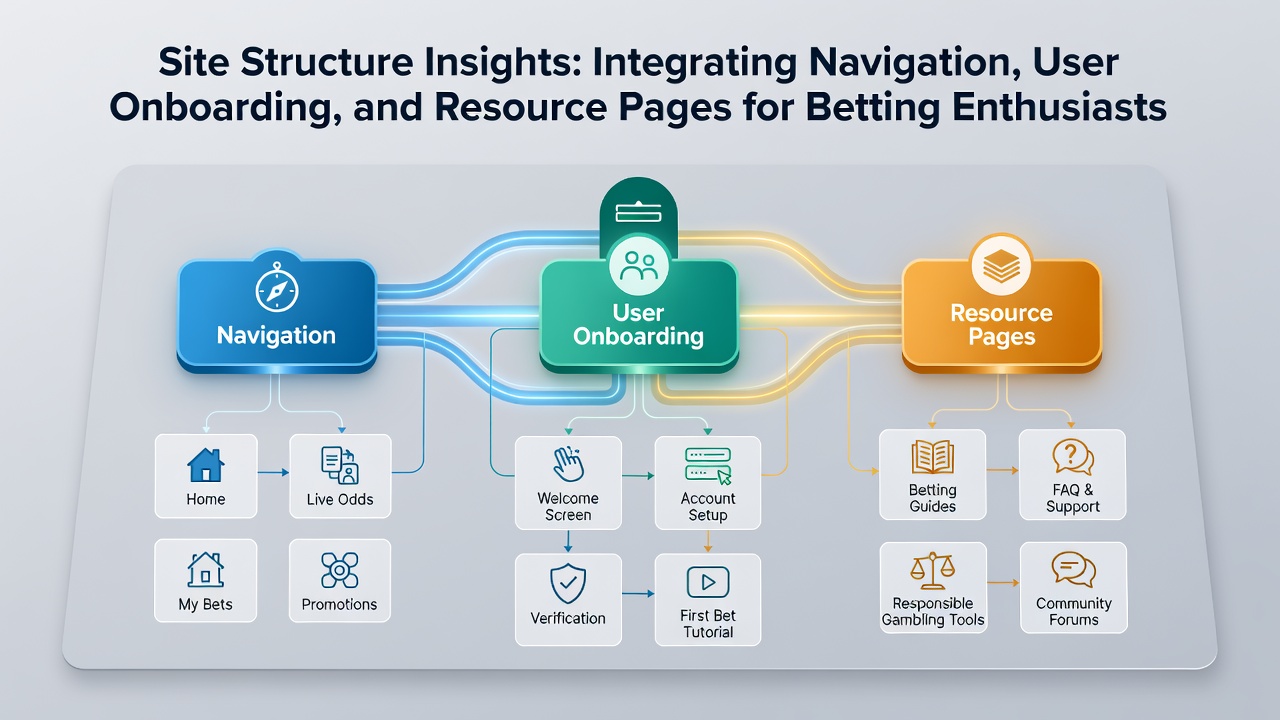
Site Structure Insights: Integrating Navigation, User Onboarding, and Resource Pages for Betting Enthusiasts
Site architecture on betting platforms has evolved to connect navigation systems, user onboarding sequences, and dedicated resource pages into unified pathways that guide enthusiasts through registration, exploration, and ongoing engagement. Observers note that platforms which align these elements reduce friction during initial visits while supporting sustained activity as users progress from casual browsing to active participation. Data from industry reports shows that seamless integration correlates with higher retention metrics across multiple markets, particularly as regulatory standards tighten in various jurisdictions.
Core Components of Navigation Design
Navigation structures on betting sites typically incorporate hierarchical menus, search functions, and contextual links that direct users toward sports markets, live events, and account management tools. Researchers have documented how clear categorization by sport, league, and bet type allows enthusiasts to locate options without excessive clicks, and studies indicate that mobile-responsive designs further improve access since a majority of interactions now occur on handheld devices. Those who've examined platform analytics find that breadcrumb trails and persistent sidebars help maintain orientation during multi-step processes like building accumulators or reviewing odds history.
User Onboarding as a Structured Entry Point
Onboarding flows begin with account creation forms that collect verification details, followed by guided tours highlighting deposit methods, bonus activation, and responsible play settings. Evidence suggests these sequences perform best when they adapt based on user responses, such as prompting location-specific payment options or surfacing quick-start guides for first-time bettors. In October 2026, several operators plan to roll out enhanced identity verification steps aligned with emerging digital wallet standards, which may streamline compliance while maintaining security protocols across borders.
Resource Pages as Knowledge Hubs
Resource sections compile rules explanations, glossary entries, market overviews, and strategy overviews that complement live betting interfaces. Platforms that embed these pages within navigation menus see increased dwell time, according to usage statistics compiled by trade associations. Users frequently reference payout tables or event calendars before placing wagers, and integration with search functionality lets enthusiasts pull up relevant content without leaving the main dashboard.
Integration occurs when navigation menus surface onboarding prompts at logical moments, such as after a user views multiple markets without registering. Resource pages then appear as contextual overlays during the first few sessions, offering explanations tied directly to the sections being explored. This layered approach avoids overwhelming newcomers while providing depth for experienced participants who seek detailed market breakdowns or historical performance data.
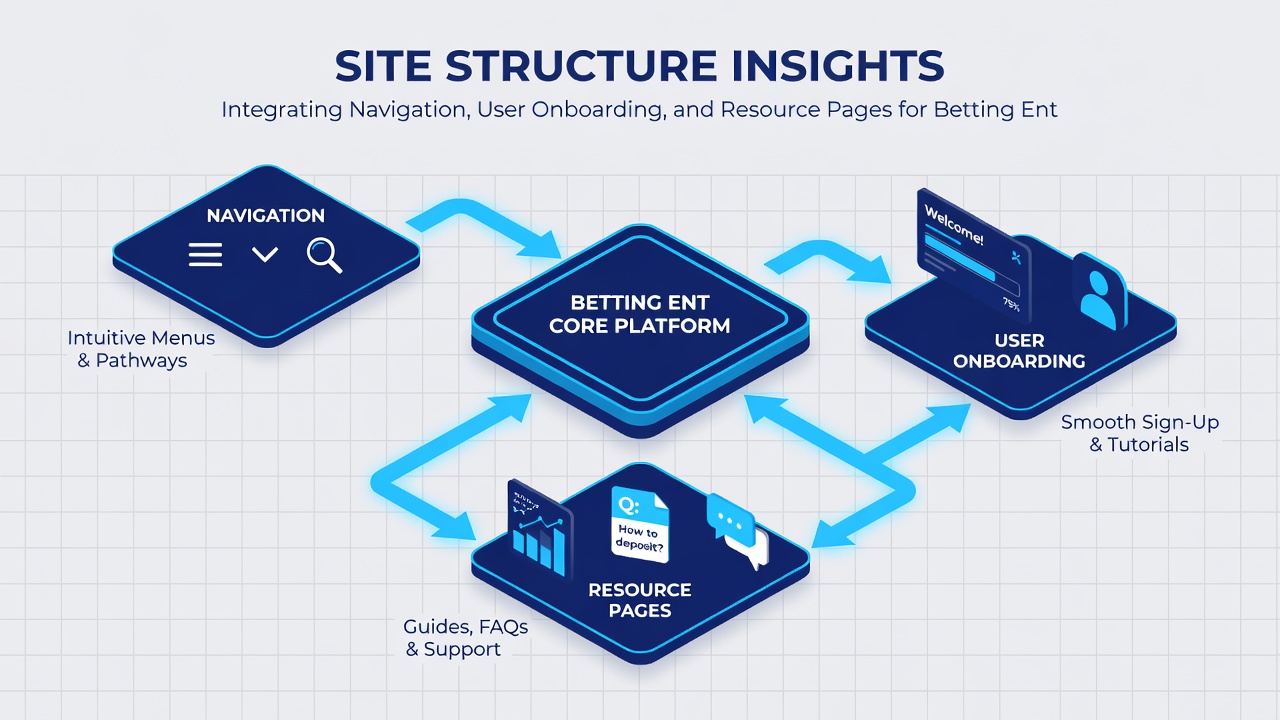
Cross-Regional Patterns in Platform Architecture
Analyses from the American Gaming Association highlight how U.S. operators have refined menu structures to accommodate state-specific regulations on advertising and age verification. Meanwhile, Australian frameworks emphasize resource integration for harm minimization tools, with platforms linking directly to support services from the point of registration onward. Canadian provincial systems demonstrate similar trends where navigation prioritizes responsible gambling links alongside market access, creating consistent pathways regardless of geographic entry point.
Technical Considerations for Seamless Connections
Backend systems must synchronize user progress data across navigation, onboarding, and resource modules so that preferences recorded during signup influence later recommendations. Developers achieve this through API connections that update dashboards in real time, and testing protocols confirm that load times remain under two seconds even when resource content expands. Those monitoring platform performance report that A/B variations in menu placement often reveal optimal positioning for call-to-action buttons that transition users from informational pages to active betting sections.
Measuring Effectiveness Through User Pathways
Analytics platforms track completion rates for onboarding steps alongside navigation click paths and resource page visits, producing heatmaps that identify drop-off points. Figures reveal that sites achieving over 70 percent onboarding completion typically maintain integrated resource links at each stage rather than isolating them in footers. External evaluations from research institutions continue to examine how these metrics shift with seasonal events like major tournaments, where traffic spikes test the scalability of unified site structures.
Future Adjustments in Site Layouts
Upcoming updates scheduled for late 2026 focus on voice-activated navigation and personalized resource feeds driven by machine learning models that analyze prior session behavior. These developments build on existing foundations where navigation, onboarding, and resources already function as interconnected modules rather than standalone features. Industry observers expect continued refinement as new device formats enter the market and user expectations around instant access grow.
Conclusion
Effective site structures on betting platforms depend on deliberate alignment of navigation tools, onboarding sequences, and resource documentation to create continuous user journeys. Data from multiple regions demonstrates measurable benefits when these components share data and surface contextually, supporting both new and returning enthusiasts as they interact with available markets and features. Platforms that maintain this integration adapt more readily to regulatory shifts and technological changes while preserving clear pathways from entry through sustained engagement.